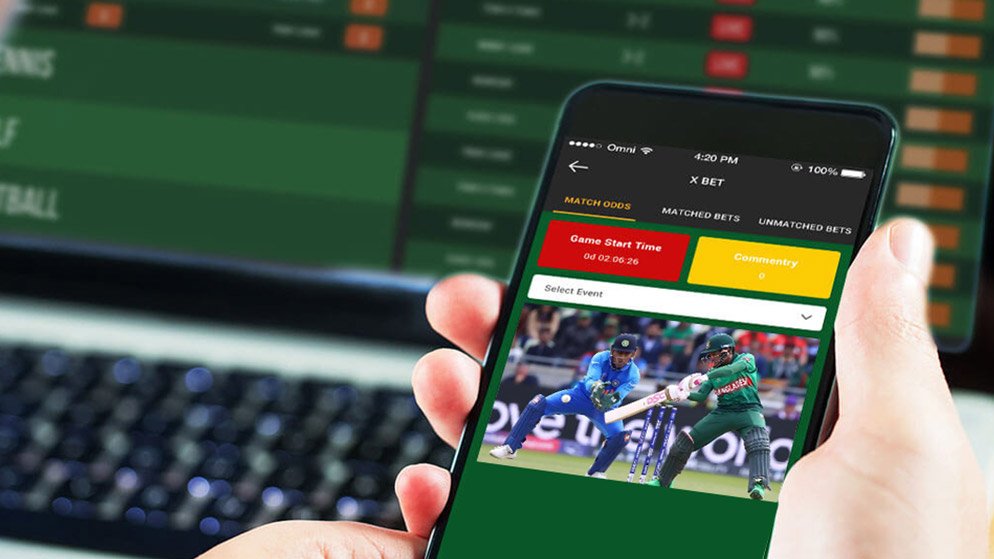
Live betting has changed how bettors interact with sports. Instead of placing wagers before an event begins, players can bet while the game is unfolding. This real-time format creates excitement, but it also introduces specific conditions and restrictions. Understanding the rules for live betting helps bettors avoid mistakes and make smarter decisions. Because odds shift quickly, knowing how in-play wagering works is essential for staying in control.

What Is Live or In-Play Betting?
Live betting, often called in-play betting, allows wagers during an ongoing match. Odds adjust continuously based on performance, momentum, and time remaining. Due to this fast pace, platforms apply special guidelines.
Key characteristics include:
-
Constantly changing odds
-
Betting opportunities during different game moments
-
Temporary pauses in wagering
-
Quick decision-making windows
These elements make real-time betting exciting but also demanding. Therefore, familiarity with in-play betting guidelines is crucial.
Why Rules for Live Betting Matter
The rules for live betting exist to ensure fairness and accuracy. They protect both bettors and operators from disputes caused by rapid changes. Additionally, these rules explain what happens during unexpected situations.
They matter because they:
-
Clarify when bets are accepted
-
Explain odds adjustments
-
Prevent unfair advantages
-
Define settlement outcomes
As a result, bettors who understand these conditions feel more confident when placing live wagers.
How Odds Change During Live Betting
Odds in live markets move constantly. Goals, fouls, injuries, or time pressure can all affect pricing. The rules for live betting explain that odds displayed may change before confirmation.
Important points to remember:
-
Odds update automatically
-
A bet may be rejected if the odds shift
-
Bettors may need to accept new odds
-
Delays can occur due to live data feeds
Because of this, bettors should always confirm odds before finalizing a wager.
Market Suspension Rules
Market suspension is common during live events. Betting platforms pause markets during critical moments to maintain accuracy. The rules for live betting outline these situations clearly.
Markets are often suspended when:
-
A goal or score occurs
-
A penalty or free throw is awarded
-
An injury stops play
-
Officials review a decision
These pauses protect bettors from unfair pricing. Once updated, markets usually reopen with adjusted odds.
Bet Placement and Acceptance Conditions
Placing a bet during live play does not guarantee acceptance. One of the key rules for live betting is that wagers require confirmation.
Acceptance conditions typically include:
-
Verification of current odds
-
Review of market availability
-
Confirmation within a short time window
-
Automatic rejection if conditions change
Therefore, bettors should always check for confirmation messages before assuming a bet is active.
Cash Out Options in Live Betting
Cash-out features allow bettors to settle wagers before an event ends. However, availability depends on live conditions. The rules for live wagering explain how and when cash out applies.
Common cash-out conditions include:
-
Availability varies by market
-
Values change constantly
-
Cash out may be suspended
-
Partial cash-out may be offered
Understanding these conditions helps bettors manage risk more effectively during live action.
Data Accuracy and Scoring Adjustments
Live betting relies on real-time data feeds. Occasionally, delays or errors occur. The rules for live betting explain how platforms handle incorrect information.
Typical provisions include:
-
Bets may be voided if the data is wrong
-
Official results determine the settlement
-
Corrections override live displays
-
Disputes follow formal review processes
These safeguards ensure fairness even when technical issues arise.
Settlement Rules for In-Play Bets
Settlement determines how bets are finalized after an event. The rules for live betting specify when outcomes are considered valid.
Settlement conditions may involve:
-
Completion of the event
-
Minimum playtime requirements
-
Handling abandoned or postponed matches
-
Market-specific result definitions
Knowing these details prevents confusion once the event ends.
Common Mistakes to Avoid
Live betting moves quickly, which increases the chance of errors. Following the rules for live betting helps avoid costly mistakes.
Mistakes to watch out for include:
-
Betting without understanding market terms
-
Ignoring confirmation prompts
-
Chasing losses emotionally
-
Overlooking suspended markets
Avoiding these habits keeps betting controlled and strategic.
Responsible Live Betting Practices
Responsible play is especially important during fast-paced betting. The rules for live betting often work alongside responsible gambling tools.
Best practices include:
-
Setting betting and time limits
-
Taking breaks during matches
-
Avoiding impulse decisions
-
Using platform control features
These habits help maintain balance and enjoyment.
Tips for Applying Live Betting Rules Effectively
Applying live betting guidelines consistently improves results. Small habits make a big difference.
Helpful tips:
-
Read market-specific conditions
-
Watch the event closely
-
Double-check odds before confirming
-
Stay calm during rapid changes
These steps reduce risk and improve decision-making.
Conclusion
The rules for live betting are designed to support fairness, accuracy, and transparency during real-time wagering. Because in-play betting moves fast, understanding these rules is essential for avoiding mistakes. By learning how odds change, when markets suspend, and how bets settle, bettors stay informed and in control. When followed correctly, live betting rules turn fast-paced action into a safer and more enjoyable experience.