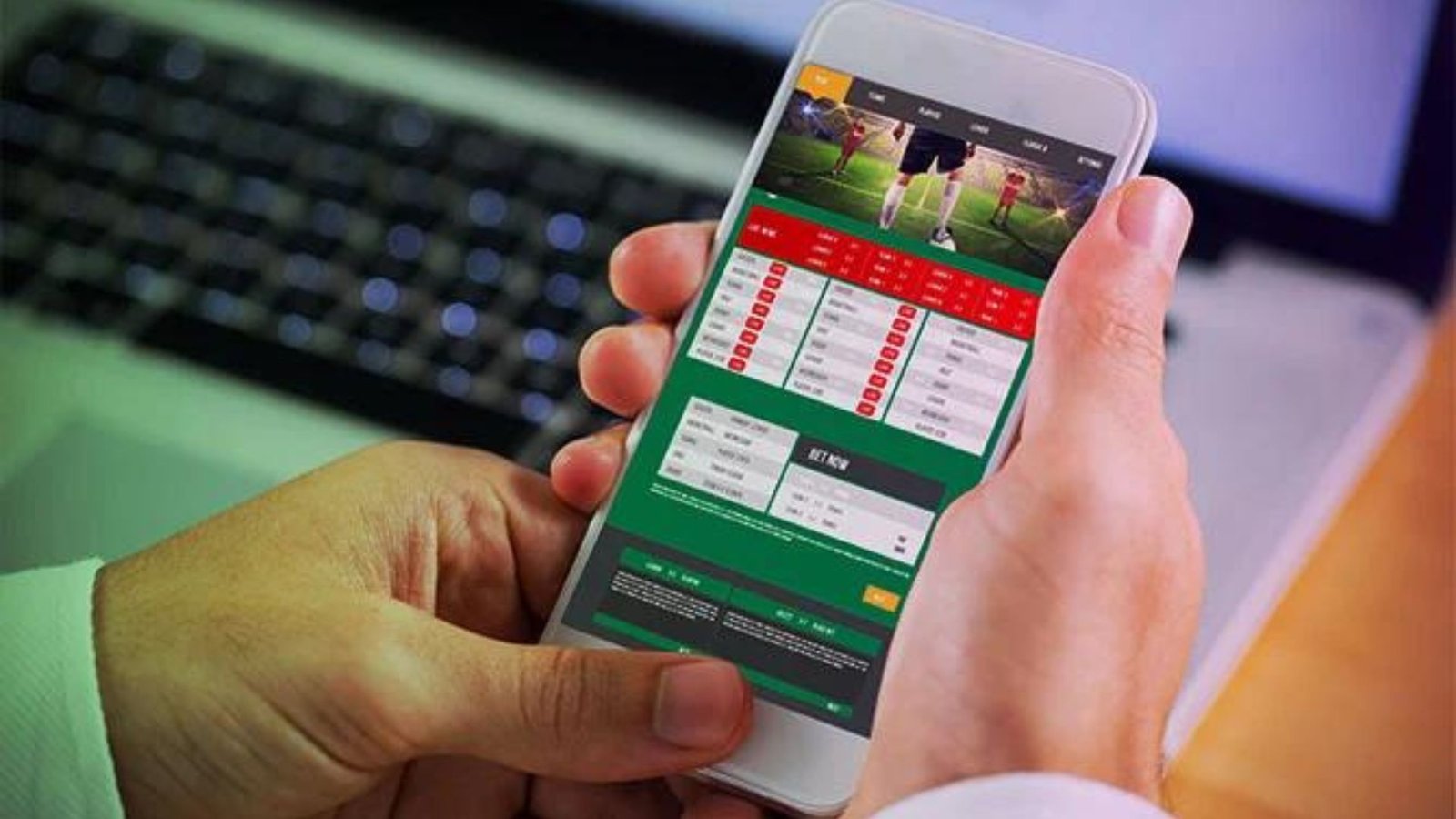
With the rise of online betting, thousands of new platforms have appeared in recent years. While many are legitimate and safe, fake online betting sites are increasingly targeting unsuspecting users. Falling for these scams can lead to lost deposits, stolen personal information, and delayed or blocked withdrawals. Knowing how to identify fake sites quickly is essential to protect your money and enjoy a safe betting experience. Here’s a detailed guide on how to spot fake online betting sites instantly in 2026.

Check for Proper Licensing and Regulation
The first step to verify a betting site is to look for official licensing information. Legitimate platforms are regulated by recognized authorities, such as:
- UK Gambling Commission (UKGC)
- Malta Gaming Authority (MGA)
- New Jersey Division of Gaming Enforcement (NJ DGE)
- Curacao eGaming
Red flags for fake sites:
- No licensing information on the homepage
- Suspicious or unverifiable license numbers
- Sites claiming “license pending” or using fake regulators
Tip: Always verify the license on the regulator’s official website before registering.
Examine the Website’s Design and Functionality
Fake online betting sites often look unprofessional or contain errors. Common warning signs include:
- Broken links or pages that don’t load
- Low-quality graphics or distorted logos
- Poorly written content with spelling and grammar mistakes
- Confusing navigation
Tip: Trustworthy sites invest in user experience and a polished interface.
Check Payment Methods
Legitimate sites provide multiple secure payment options for deposits and withdrawals:
- Credit/debit cards (Visa, Mastercard)
- E-wallets (PayPal, Skrill, Neteller)
- Bank transfers
- Cryptocurrency (on modern licensed platforms)
Red flags:
- Only asks for cryptocurrency or obscure payment methods
- Unclear withdrawal rules or fees
- Long withdrawal processing times without explanation
Tip: Always test small deposits and withdrawals before placing large bets.
Read Reviews and Community Feedback
Fake betting sites often have no reputation or negative user feedback. Check:
- Forums like Reddit or BettingTalk for real user experiences
- Independent review sites for payout speed and reliability
- Social media mentions for scams or fraud reports
Tip: Avoid sites with mostly fake reviews, overly positive reviews, or no reviews at all.
Analyze Bonuses and Promotions
Scam sites often lure players with unrealistic promotions, such as:
- 1000% welcome bonuses
- No-deposit bonuses without clear terms
- Huge odds boosts that seem too good to be true
Red flags:
- Hidden wagering requirements or absurd restrictions
- Bonuses that can’t be redeemed on your first withdrawal
Tip: Always read the fine print before claiming any bonus.
Test Customer Support
Legitimate sites provide responsive, professional customer support via:
- Live chat
- Phone support
Red flags for fake sites:
- No contact information
- Extremely slow or robotic responses
- Avoidance of withdrawal-related questions
Tip: Contact support before registering to gauge responsiveness and professionalism.
Watch Out for Fake SSL Certificates
SSL certificates protect your personal and financial information. To check:
- Look for “https://” in the URL and a padlock symbol in the browser
- Click the padlock to verify the certificate issuer
Red flags:
- No SSL certificate
- Self-signed certificates that can’t be verified
Tip: Never enter banking or personal details on unsecured sites.
Check Domain Age and Reputation
Fake betting sites are often newly registered domains. You can check domain age using:
- WHOIS lookup services
- Online domain checkers
Red flags:
- Site registered only a few weeks or months ago
- Frequent changes in domain or website name
Tip: Stick to established platforms with years of verified operation.
Final Thoughts
Spotting fake online betting sites instantly requires vigilance and a few key checks: verify licensing, examine the website design, check payment options, read reviews, scrutinize bonuses, test support, confirm SSL security, and check domain age.
By following these steps, you can protect your money, personal data, and betting experience, ensuring you only wager on safe, legitimate platforms. Safety should always come first—never sacrifice it for flashy bonuses or high odds.