Live betting brings speed, excitement, and dynamic opportunities to sports wagering. Unlike pre-match bets, live bets require quick decisions and flexibility. Even well-designed betting systems need to adjust to remain effective in real-time environments.
This guide explains how to adjust systems for live betting, offering practical tips to optimise strategy, manage risk, and maximise your chances of success.
Understand the Difference Between Pre-Match and Live Betting
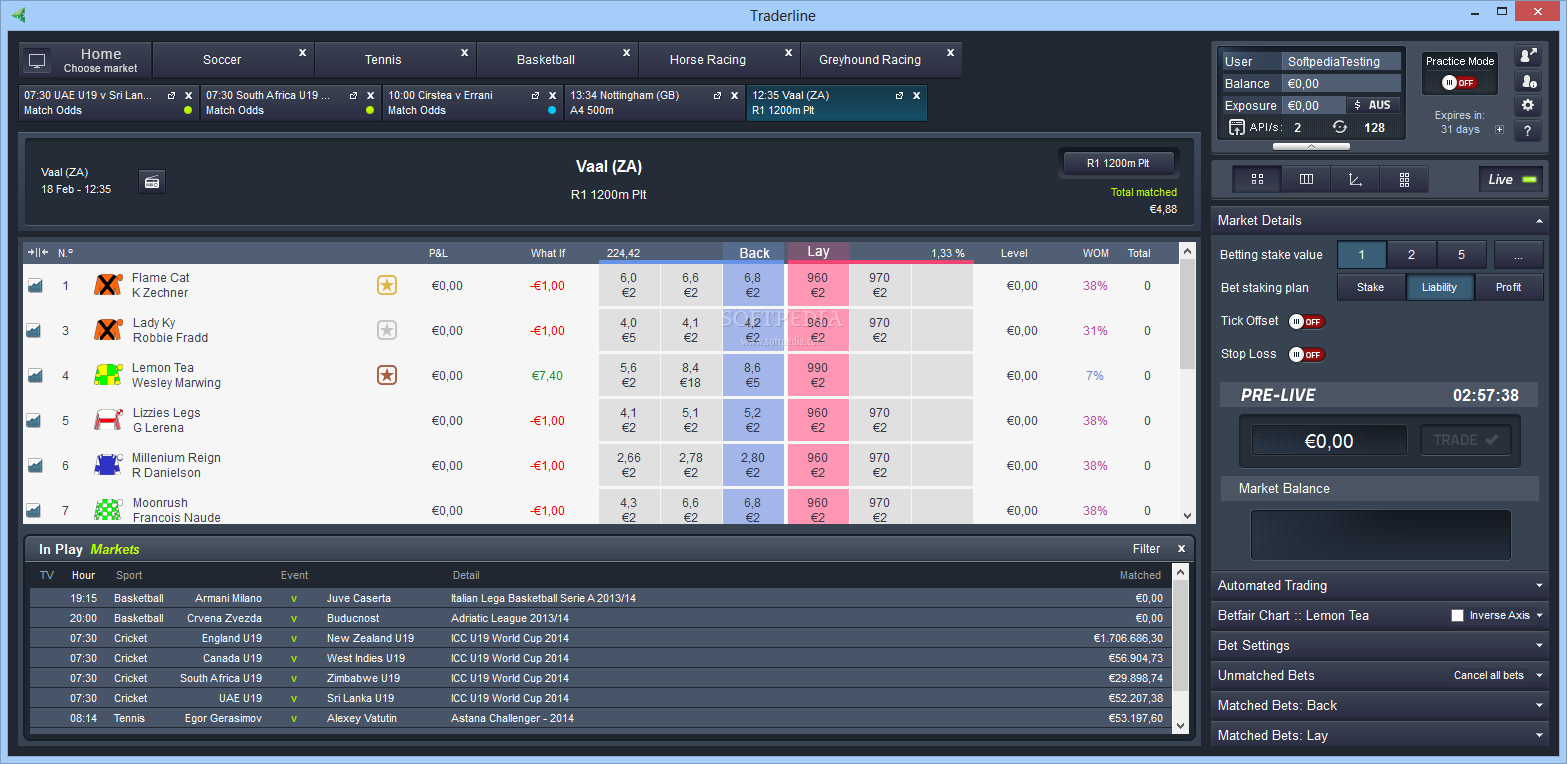
Live betting differs from pre-match wagering in several ways, requiring system adaptations.
Key Differences
-
Odds change constantly during the event
-
Momentum and game developments can affect outcomes
-
Stakes must often be adjusted quickly
-
Decisions must balance speed with analysis
Recognising these differences helps you adapt existing systems effectively.
Start With a Flexible Staking Plan
A rigid staking system can fail in live betting due to rapid changes in odds or game conditions.
Staking Adjustments
-
Use a percentage of your bankroll for each live bet
-
Reduce the stakes if unexpected events occur, such as injuries or red cards
-
Increase stakes slightly when momentum strongly favours a bet
-
Avoid chasing losses by doubling stakes impulsively
Flexible staking keeps your system responsive and protects your bankroll.
Choose Markets That Suit Live Betting
Some markets are easier to adapt for in-play wagers.
Recommended Live Markets
-
Next Goal/Point: Quick resolution and simple calculation
-
Totals (Over/Under): Adjust based on scoring trends
-
Player Props: Monitor individual performance for short-term opportunities
-
Avoid markets that require complex predictions or long-term outcomes
Focusing on suitable markets allows your system to operate efficiently in real time.
Monitor Momentum Closely
Live betting success depends heavily on observing momentum shifts.
Observation Tips
-
Watch scoring patterns and tactical changes
-
Track substitutions, injuries, or team adjustments
-
Compare live developments with pre-match expectations
-
Be ready to adjust or exit bets if momentum shifts dramatically
Integrating live observation into your system helps maintain accuracy.
Adjust Odds Evaluation
Odds change quickly in live markets, and systems must account for this volatility.
Odds Management Tips
-
Identify value opportunities when live odds are misaligned with actual probability
-
Avoid betting on inflated odds driven by public overreaction
-
Reassess each bet as new data emerges, such as scoring trends or momentum swings
-
Use odds to guide stake adjustments and risk assessment
Evaluating live odds continuously ensures your system remains profitable.
Incorporate Stop-Loss Limits
Live betting can escalate quickly, so risk control is essential.
Stop-Loss Strategies
-
Set a maximum loss per session or per live market
-
Reduce stakes automatically after a losing streak
-
Avoid chasing losses by placing multiple high-stakes bets in succession
-
Treat stop-loss limits as non-negotiable rules for discipline
Stop-loss measures protect your bankroll while allowing strategic flexibility.
Use Promotions Strategically
Live betting systems can benefit from free bets or enhanced odds if used cautiously.
Promotion Tips
-
Apply free bets to test live strategies without risking personal funds
-
Use enhanced odds for value opportunities in familiar markets
-
Track results separately to evaluate effectiveness
-
Avoid high-risk bets solely to qualify for bonuses
Strategic use of promotions complements your live betting system.
Track and Review Live Bets
Recording live bets is crucial for adapting and refining systems over time.
Tracking Tips
-
Note market, stake, odds, timing, and result for each live bet
-
Record observations that influenced decisions, such as momentum or injuries
-
Analyse which live markets produce consistent wins
-
Adjust your system based on historical performance and observed trends
Tracking ensures continuous improvement and informed adjustments.
Practice Emotional Discipline
Live betting can tempt impulsive decisions. Systems must include emotional controls.
Emotional Management Tips
-
Stick to your pre-defined staking and market rules
-
Avoid reacting to every odds change with a new bet
-
Take breaks during high-intensity games to maintain focus
-
Focus on data, momentum, and strategy rather than emotions
Discipline ensures that live betting systems operate as intended.
Conclusion
Adjusting systems for live betting requires flexibility, observation, and disciplined risk management. By implementing a responsive staking plan, focusing on suitable markets, monitoring momentum, evaluating live odds, setting stop-loss limits, using promotions wisely, tracking performance, and maintaining emotional control, bettors can optimise in-play strategies.
Applying these techniques ensures that your systems for live betting remain effective, adaptable, and profitable, helping you make smarter decisions in fast-paced, dynamic markets.